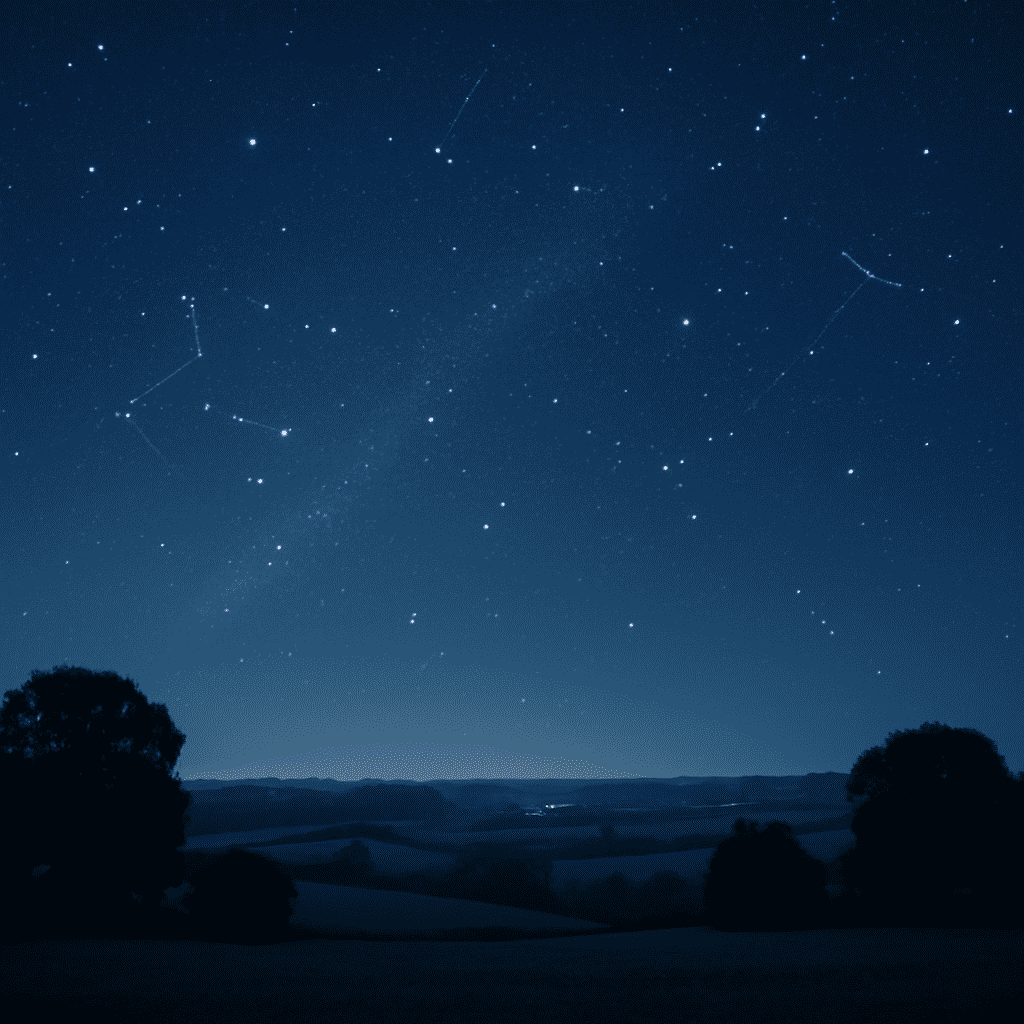
Star alignments have long fascinated humanity, serving as celestial guides for travelers, farmers, and philosophers alike. While some view these luminaries purely as astronomical phenomena, others perceive them as influential forces capable of affecting our emotions, decisions, and daily activities. The intricate dance of stars—and our interpretation of their movements—has given rise to practices like astrology, which assert that the position of heavenly bodies can have profound impacts on our lives.
At its core, the study of star alignments and their impact on daily life stems from the belief that celestial bodies emit energy that interacts with the Earth and its inhabitants. This energy is thought to affect the natural world and human behavior, shaping everything from mood swings to major life decisions. For instance, the alignment of planets and stars at the time of one's birth is believed by some to influence personality traits and emotional tendencies, commonly expressed in astrological horoscopes.
One way these star alignments can influence emotions is through their connection to lunar cycles. Many people report feeling more sensitive or introspective during a full moon, a concept echoed in folklore and supported by some scientific studies suggesting slight increases in emotional intensity and erratic behavior. While the exact reasons remain a subject of debate, it's believed that the gravitational forces at play during such alignments can affect Earth's atmosphere, and potentially, the human psyche.
Decisions, both big and small, are also said to be swayed by celestial configurations. Astrologers may advise against signing contracts or making impulsive purchases during certain planetary retrogrades, reflecting the belief that the stars are not just passive observers but active participants in the orchestration of fate. For instance, a person might choose to delay a major decision, waiting for a more favorable alignment that promises clarity and positive outcomes.
Daily activities, too, are thought to be under the influence of starry patterns. Some people schedule their day-to-day plans around auspicious dates derived from their astrological charts, hoping to harness the universe's benevolent energy for productivity and success. From career moves to social gatherings, the perceived positioning of stars can either empower action or deter it, instilling a sense of cosmic timing into even the most mundane tasks.
The allure of understanding star alignments lies in their ability to provide a framework for introspection and mindfulness. Whether or not one subscribes fully to the influence of celestial bodies, the practice of contemplating the universe's immensity and our place within it can offer comfort and guidance in navigating life's complexities. As we explore these cosmic alignments with tools like Nebula Navigations, we are invited to engage in deeper reflection, embracing the mysteries of the universe while cultivating awareness of our inner landscape.
Ultimately, the impact of star alignments on daily life stretches beyond the boundaries of scientific validation or skepticism. It invites a poetic invitation to view life as an intricate tapestry woven with threads of chance, choice, and the eternal dance of celestial wonders. In embracing or questioning their influence, we embark on a journey of cosmic curiosity, delving into the mysteries that have captivated humanity for millennia.